
Climate-Smart Conservation & Ecotourism (CSCET)
Our work is dedicated to enhancing biodiversity and natural biological processes, both above and below the ground, with the goal of achieving improved and sustained crop productivity. We also place strong emphasis on climate change adaptation and mitigation. We address these critical areas by integrating three key approaches: biodiversity conservation, sustainable livelihoods, and eco-tourism.
Initiatives of the CSCET
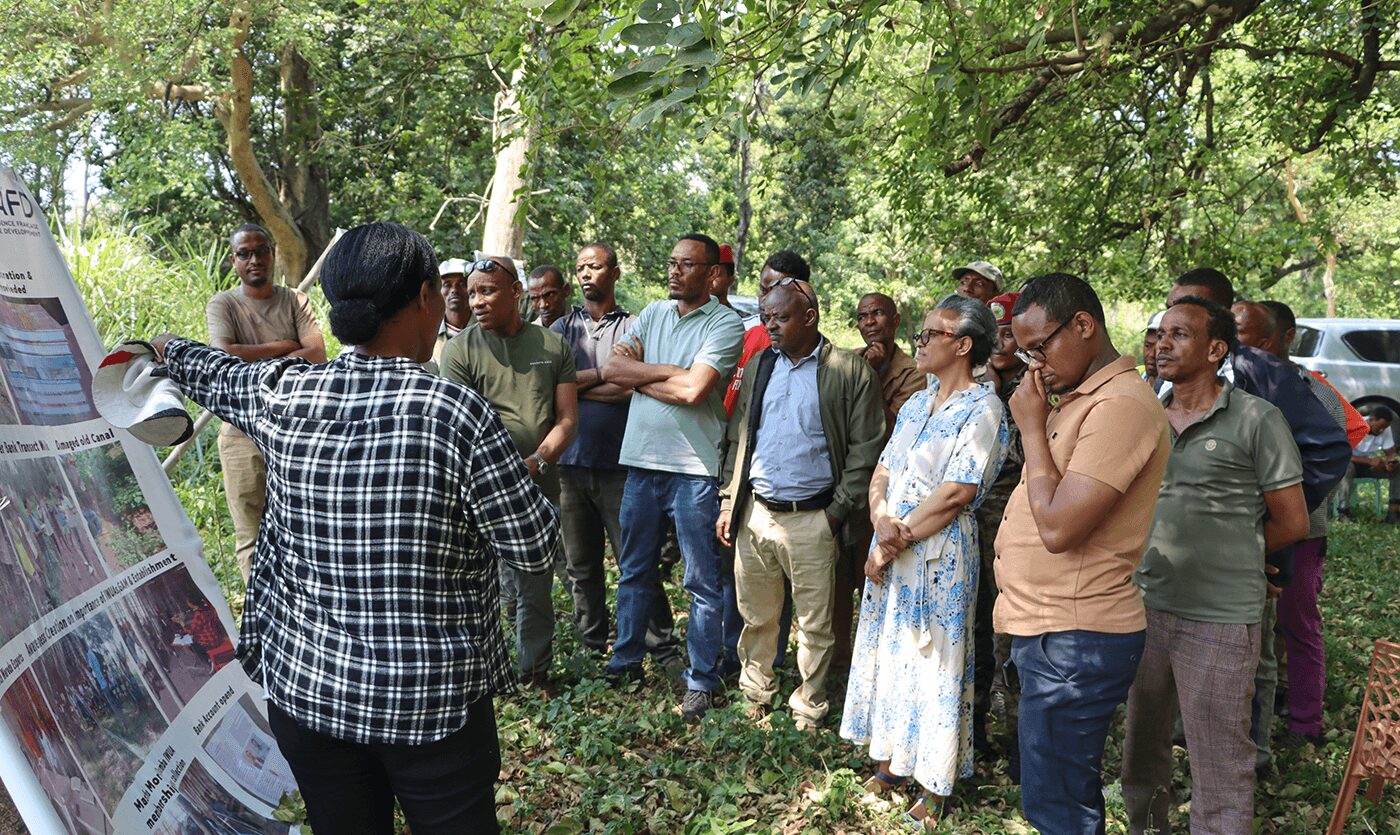
Preservation of Maze National Park (MZNP) and its Watershed in Ethiopia Project
Project Overview
Maze National Park is one of Ethiopia’s few parks without human settlements, making it a well-conserved habitat for approximately 2,000 endemic and endangered Swayne’s hartebeest. The park is a crucial component of a wildlife corridor connecting Chebera Churchura National Park, Omo National Park, Mago National Park and Nech Sar National Park.
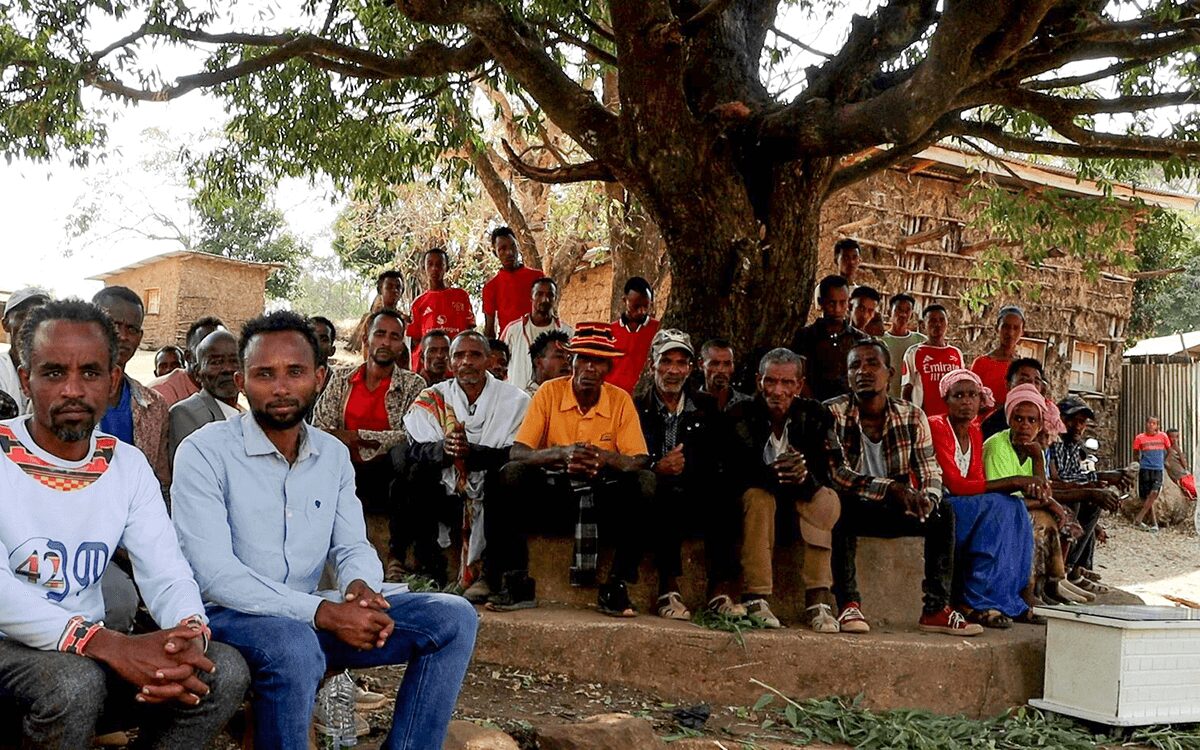
Challenges
Despite its ecological significance, Maze National Park faces several threats:
- High Population Pressure: Approximately 67,500 residents live in proximity to the park, heavily relying on its resources.
- Declining Water Levels: Drought, watershed degradation and uncontrolled irrigation are lowering water levels in the park’s rivers.
- Land Degradation: Intensive land use and population pressure are accelerating deforestation and environmental fragility, increasing local communities’ vulnerability.

Project Goal
To ensure the long-term integrity of Maze National Park for the benefit of nature and local communities.

Project Details
- Duration: August 2023 – August 2028
- Donor: Agence Française de Développement (AFD)

Beneficiaries
- Direct Beneficiaries: 67,500
- Indirect Beneficiaries: 631,711

Geographic Focus
The park spans 20,000 hectares, covering 17 kebeles in five woredas of the Gamo and Gofa zones.
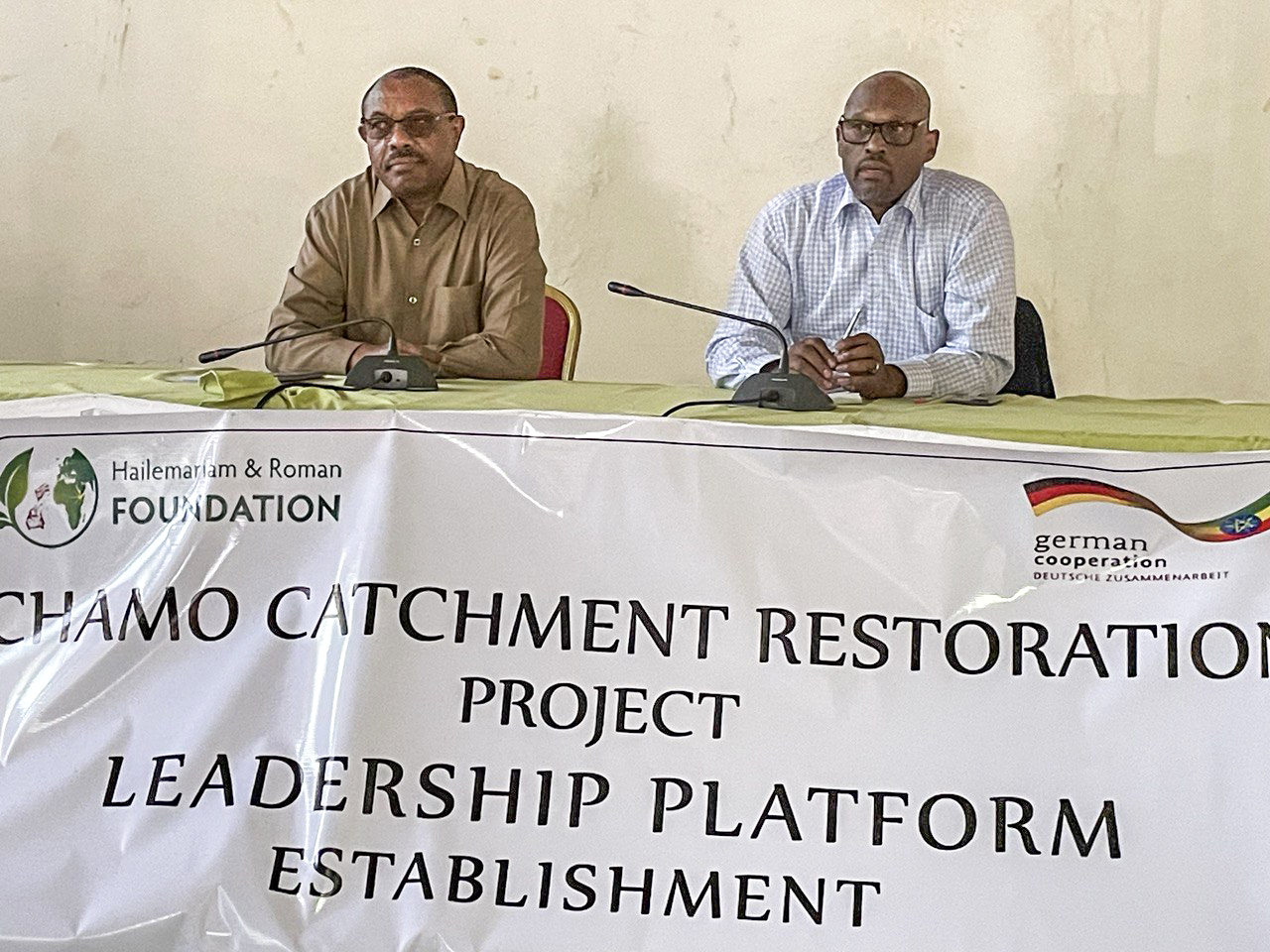
The Role and Engagement of Hailemariam & Roman Foundation (HRF) in the Sustainable Land Management Programme (SLM V) – Integrated Catchment Restoration of Lake Chamo
Project Overview
The Abaya-Chamo basin, nestled between the Gamo Highlands and the eastern escarpment of the Great African Rift Valley, encompasses Lake Abaya, the “God’s Bridge”, Lake Chamo, the Nechsar plains and the Konso cultural landscape. The region is home to diverse communities, including Gamo, Derashe, Konso, Gidicho, Kore and Burji, with a total population of 1,282,380 (CSA 2014 – 2017).
Lake Chamo spans approximately 32 kilometers in length and 13 kilometers in width, covering an area of about 317 square kilometers at an elevation of 1,110 meters. The Chamo Catchment is vital for agriculture, irrigation and tourism, yet faces significant challenges:
- Landscape Degradation: Increasing rural populations and agricultural expansion are leading to unsustainable land use.
- Aquatic Threats: Agricultural runoff and municipal waste harm aquatic biodiversity and contribute to eutrophication.
- Deforestation: Loss of vegetation disrupts water flow and threatens agricultural dependency.
Protecting and sustainably managing the Chamo Catchment is essential for the well-being of local communities and the preservation of its unique biodiversity.
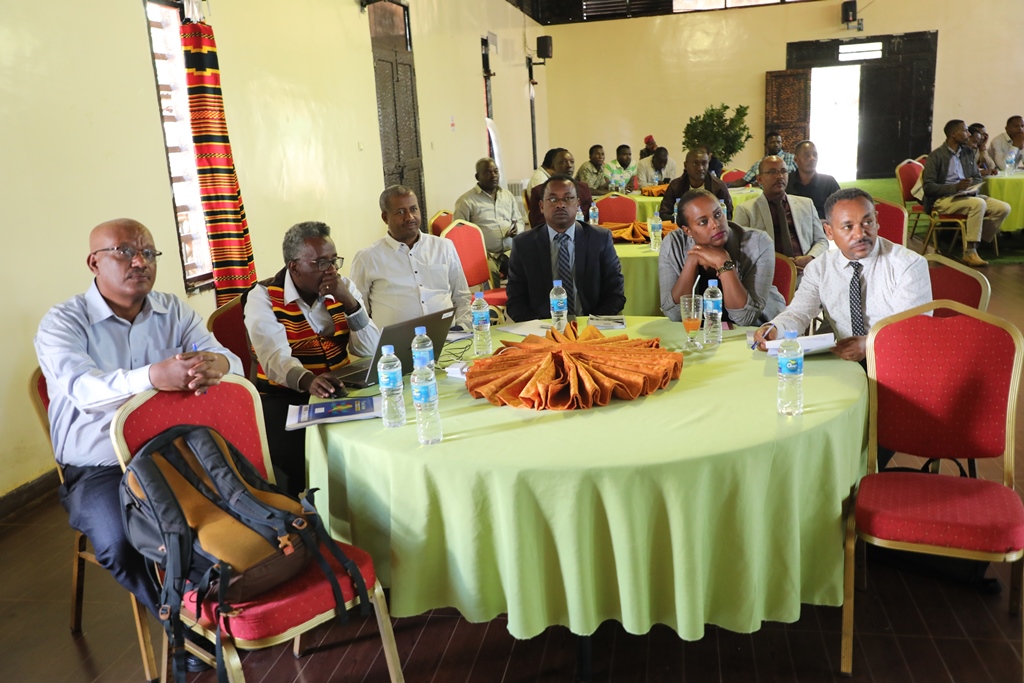
Project Goal
To ensure effective coordination, synergy and mobilization of all stakeholders’ capacities and resources for the sustainable restoration of the Chamo Catchment.
Project Details
- Duration: December 2024 – November 2029
- Donor: Kreditanstalt für Wiederaufbau (KfW)
Beneficiaries
Residents of the Chamo Catchment area, particularly those dependent on agriculture, fishing and natural resources.
Geographic Focus
The Chamo Catchment, covering ten woredas in the South Ethiopia Region.


