
Maternal, Neonatal, & Child Health (MNCH) & Nutrition
Our work focuses on reducing maternal and child morbidity and mortality caused by major health challenges. By fostering healthier communities, we aim to enhance climate-smart conservation agriculture, empower women and youth economically, and support broader socioeconomic development initiatives. Our approach integrates existing structures and systems to jointly implement Reproductive, Maternal, Newborn and Child Health (RMNCH) and nutrition activities, ensuring the active involvement of key sectors at all levels—from central to community.
Initiatives of the MNCH & Nutrition
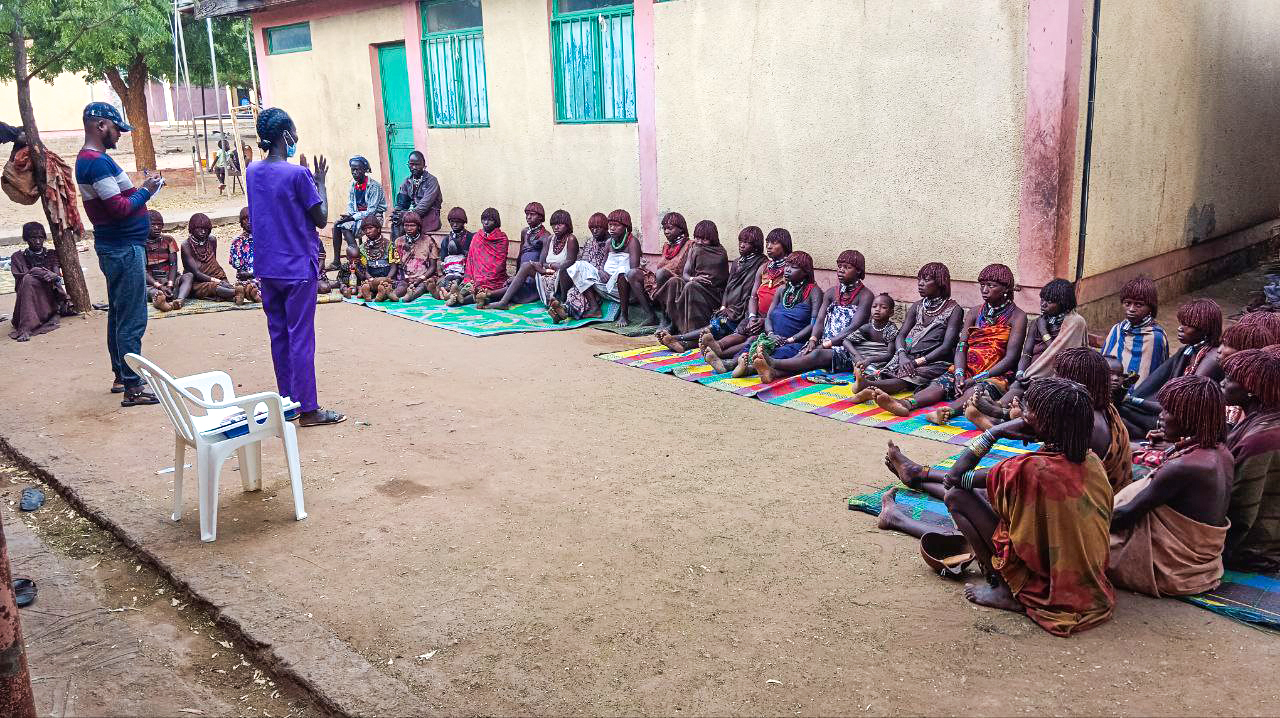
Transforming Reproductive, Maternal, Newborn & Child Health
Project Overview
Bena Tsemay and Hamer are two of the six pastoralist woredas in the South Omo zone. As of EFY 2015 (2022/23), Bena Tsemay has an estimated population of 76,652, while Hamer has 86,400 residents. These woredas collectively span a significant geographic area of approximately 10,000 square kilometers, accounting for 47% of the entire zone.
Currently, Bena Tsemay is served by 6 health centers (HCs) and 25 health posts and Hamer, including the Turmi city administration, has 6 HCs and 27 health posts. However, neither woreda has a hospital, necessitating patient referrals to Jinka General Hospital. Despite the expansion of health facilities, access remains a challenge, with 11 (29%) kebeles in Hamer and 9 (26%) in Bena Tsemay still lacking a health post. Furthermore, critical infrastructure is limited; only 3 (9%) health facilities in Hamer and 6 (19%) in Bena Tsemay have an electric power supply, and even fewer have a consistent water supply, with only 3 (9%) in Hamer and 2 (6%) in Bena Tsemay.
Challenges
Several barriers hinder access and utilization of RMNCH and nutrition services:
- Skill Gaps: Health service providers often lack adequate training.
- Resource Shortages: There is a scarcity of essential drugs, medical supplies, and equipment, compounded by a shortage of ambulances and transport.
- Quality of Service: Low quality of services is observed, exacerbated by a lack of essential utilities like electric power and water supply. Many health facilities also lack residential housing for health workers.
- Community Awareness and Engagement: There is low community awareness and limited engagement in health initiatives.
- Accessibility: Long distances to health facilities, difficult terrain (with some kebeles inaccessible by car during rainy seasons, and even dry seasons in Hamer), and the mobile nature of pastoralist communities significantly impede access to services.
- Sociocultural Barriers: Deep-rooted unfair gender norms and harmful traditional practices pose major impediments. These include the perception of a girl child as a source of wealth and property due to large dowries, leading to practices like child marriage and early betrothal, and a lack of autonomy for women in health decisions. Harmful practices like ‘Mingi’ (killing a child if upper milk teeth emerge before lower ones) and forced abortion or asphyxiation for unmarried pregnant girls are also documented.
- Environmental and Conflict Factors: Repeated droughts, flooding, disease outbreaks (like anthrax, measles, and leishmaniasis), and tribal conflicts for pasture further complicate service delivery.

Project Goal
The overarching goal is to contribute towards transforming RMNCH situations and attaining health equity in the pastoralist communities of Bena Tsemay and Hamer woredas.

Project Details
- Duration: Ongoing since 2021
- Donor: Center for International Reproductive Health Training (CIRHT)

Beneficiaries
- Total Beneficiaries: 163,052
- Bena Tsemay: 76,652
- Hamer: 86,400

Geographic Focus
- Turmi Town Administration, Bena Tsemay and Hamer Woredas, South Omo Zone.
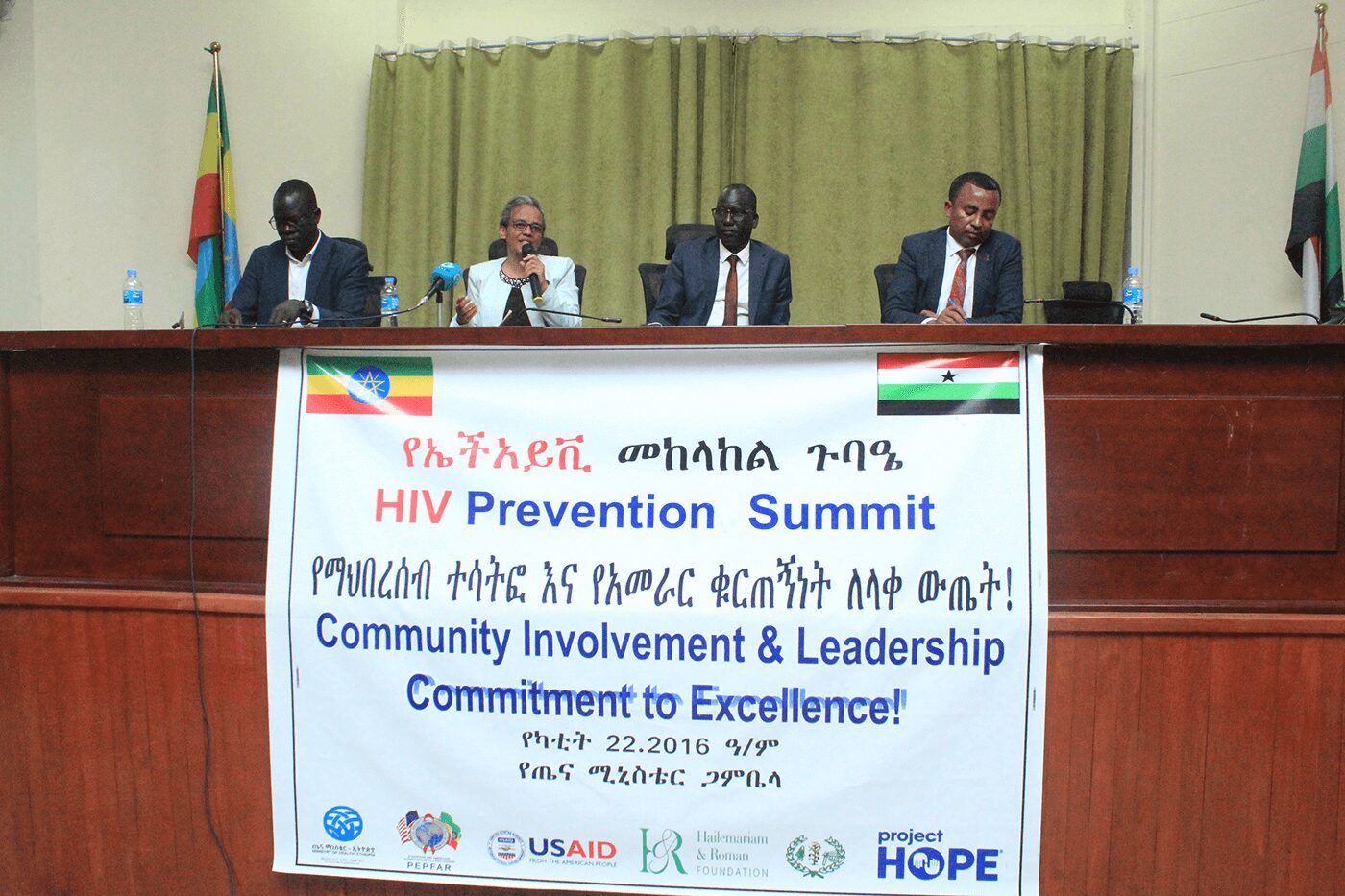
- HIV/AIDS Prevention & Control Advocacy: A comprehensive intervention targeting all regions across Ethiopia.


