
Youth & Women Economic Empowerment (Y&WEE)
Our work is aimed at reducing unemployment, among the youth and women, through the creation of employment opportunities in a variety of areas. We promote girls’ education and school meals programs in underprivileged communities to unleash the full potential of young girls and women with positive returns on gender equality and the economic empowerment of families and communities.
Initiatives of the Y&WEE
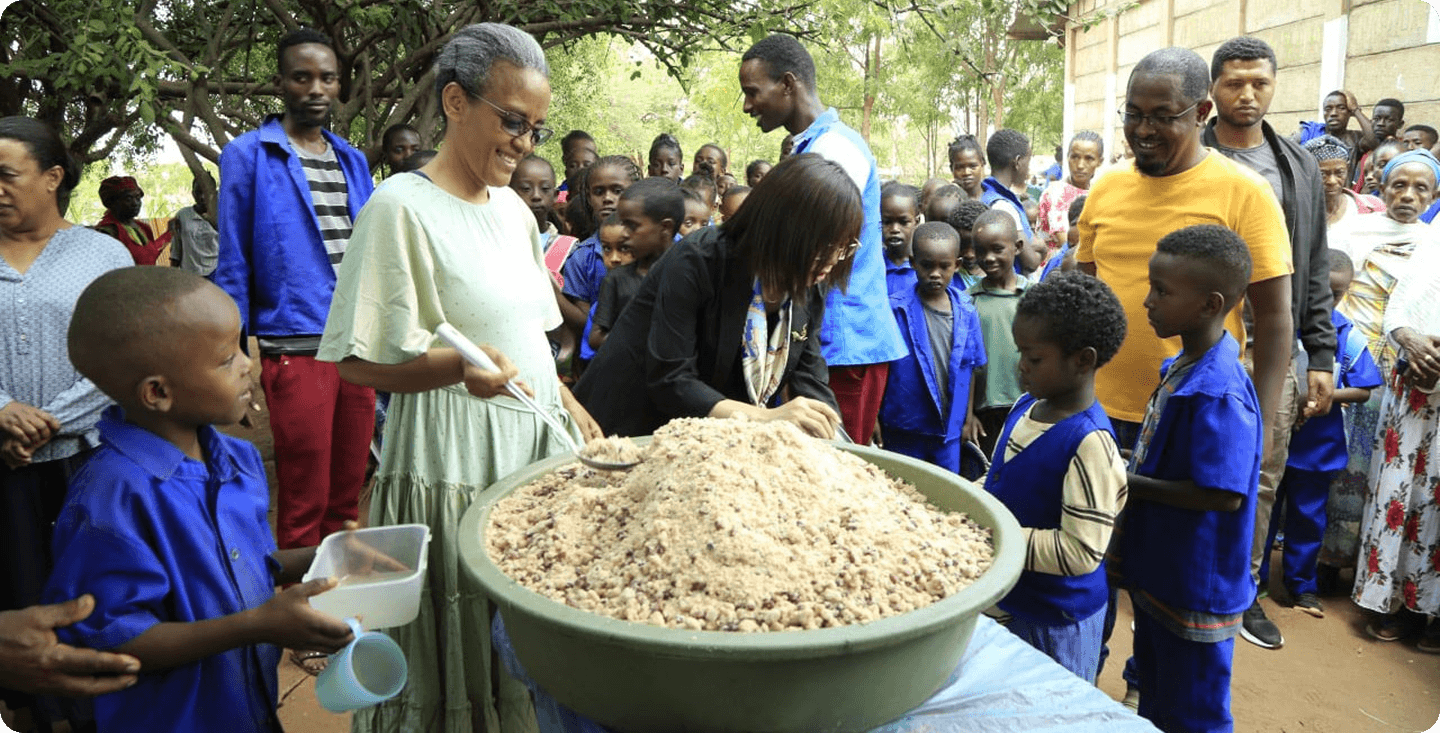
School Meal Program (SMP)
Project Overview
Despite overall progress in education across Ethiopia, student enrollment in the South Omo zone remains low, particularly in pastoral and agro-pastoral communities. Children in these areas face several barriers to education, including:
- Food Shortages: Lack of adequate nutrition affects concentration and attendance.
- Long Travel Distances: Many children must travel significant distances to reach schools.
- Inadequate Educational Equipment: Limited resources hinder effective learning and competition with peers from other regions.
These challenges contribute to high absenteeism and dropout rates, severely limiting access to quality education.
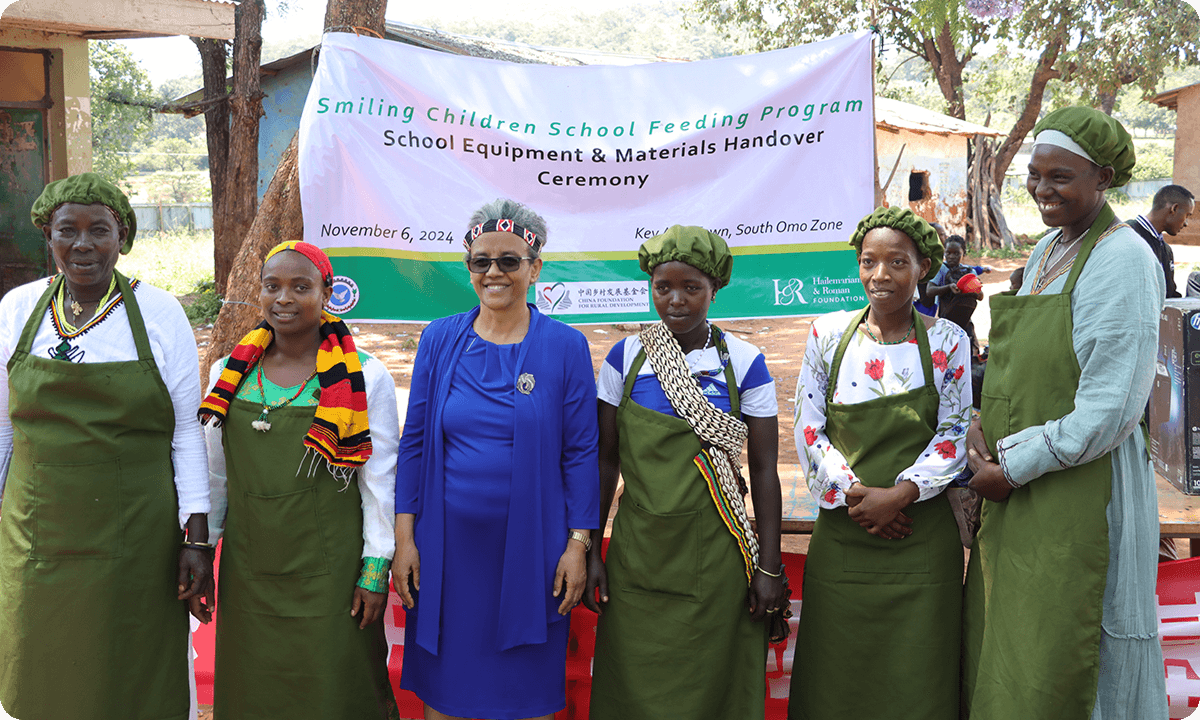
The School Meal Program (SMP) is a key initiative by the Hailemariam & Roman Foundation (HRF) in partnership with the China Foundation for Rural Development (CFRD). This program aims to enhance school enrollment, attendance, and academic performance by addressing food insecurity among schoolchildren and improving access to educational resources.
The Yenat Weg Charitable Association, established in July 2014 by the former First Lady of Ethiopia, H.E. Roman Tesfaye, initiated Ethiopia’s first large-scale school meal program in Addis Ababa, benefiting over 21,000 children from low-income families until 2019. In 2020, it merged with HRF to extend support to underserved pastoral areas in the South Omo Zone.

Project Goal
To improve educational outcomes in South Omo Zone’s pastoral communities by addressing food insecurity through school meals and empowering low-income women through small business opportunities.

Project Details
- Donor: China Foundation for Rural Development (CFRD)
- Duration: Ongoing since 2021/22

Beneficiaries
- Direct: More than 3000 school children across 10 primary schools
- Indirect: 23,120 households

Geographic Focus
10 primary schools in Bena Tsemay and Hamer woredas and Turmi Town Administration of South Omo Zone.
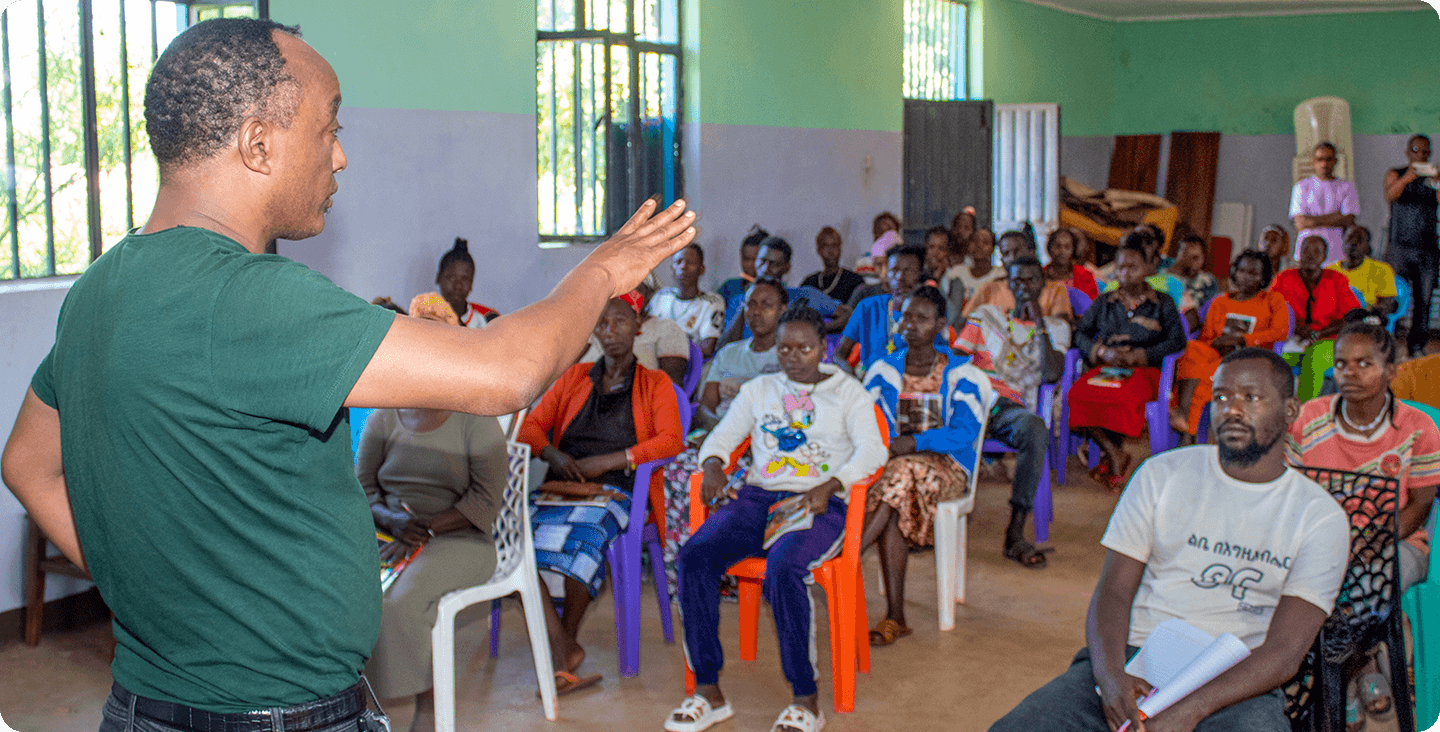
Youth Self-Employment in Southern Ethiopia Region (YES)
Project
Project Overview
Youth unemployment is a critical challenge in Ethiopia, exacerbated in pastoral and agro-pastoral areas by harmful practices (HPs) that often limit women’s participation in productive work. Despite ongoing efforts by the government and various development actors, significant barriers remain.
Baseline assessments in the South Omo and Ari zones, along with community consultations, identified key issues preventing young women and men from engaging in economic activities. These barriers include:
- Mindset Issues: Apathy towards work, gender-specific roles in economic activities, and attitudes towards gender equality.
- Limited Access: Poor access to financial services hinders entrepreneurial ventures.
- Skill Gaps: Low levels of entrepreneurial knowledge and skills among youth.
- Market Challenges: Absence of market linkages and weak capacity of service provider institutions.
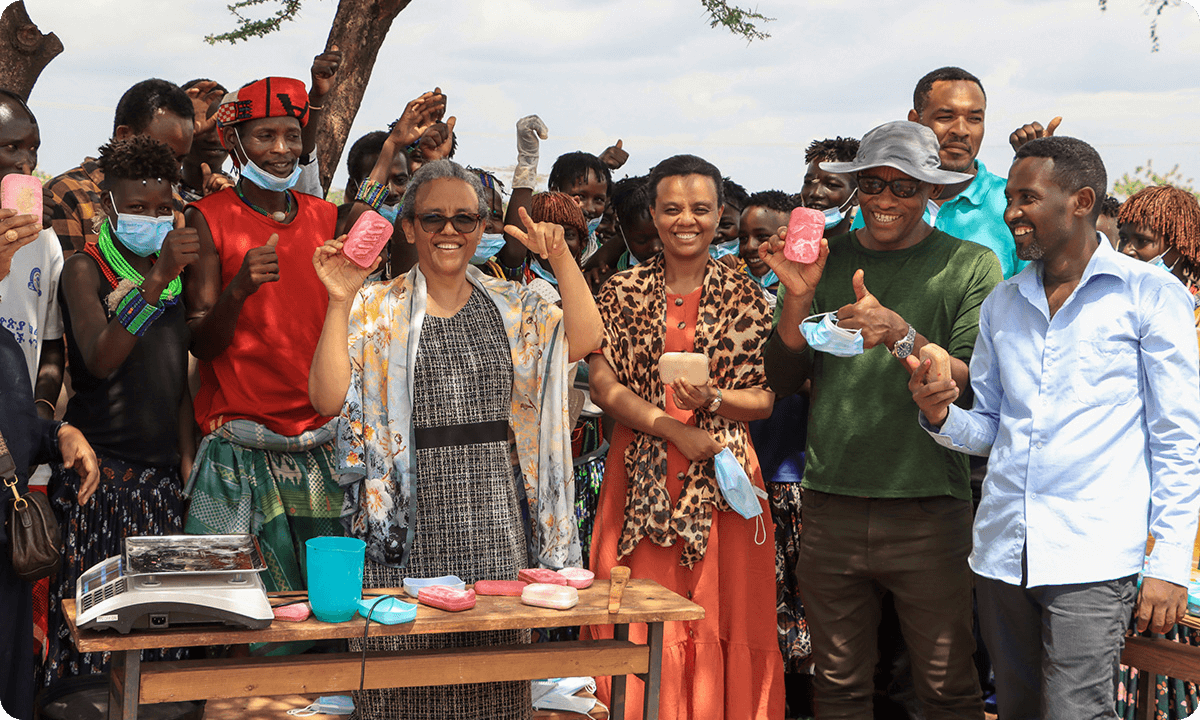
Despite these challenges, there are numerous untapped business opportunities in agriculture and tourism sectors that hold significant potential for employment.
The project aims to change mindsets within the youth and the broader community, address skill gaps through advocacy and training, ensure financial inclusion for vulnerable young people, and facilitate strong institutional and market linkages.
Project Goal
To contribute to the socioeconomic well-being of communities by improving the quality of life for 32,146 young women and men in South Omo and Ari zones.
Project Details
- Donor: Mastercard Foundation
- Duration: February 16, 2024 – August 15, 2027
Participants
- Total: 32,146 financially disadvantaged young people
- 70% young women
- 30% young men
- 10% persons with disabilities and internally displaced individuals (IDPs)
Geographic Focus
- South Omo and Ari Zones:
- Pastoral Woredas: Hamer, Bena Tsemay, Salamago
- Agro-Pastoral Woredas: Semen Ari, Debub Ari, and Jinka Town Administration


