

On January 24, 2026, a high-level legal awareness training was held in Sawula Town, South Ethiopia Region, to address the growing threats to Maze National Park, a vital site in Ethiopia’s biodiversity hotspots.
The training called “Legal Awareness on Illegal Activities in and around the Park” was organized by the Hailemariam & Roman Foundation (HRF) in partnership with the South Ethiopia Regional Tourism Bureau. It gathered 150 high-level representatives from the Federal Ethiopia Wildlife Conservation Authority (EWCA), regional stakeholders, key officials from the Zonal administrations in Gamo and Gofa Zones, five districts around Maze National Park, 17 Kebele (village) administrations, and law enforcement agencies.
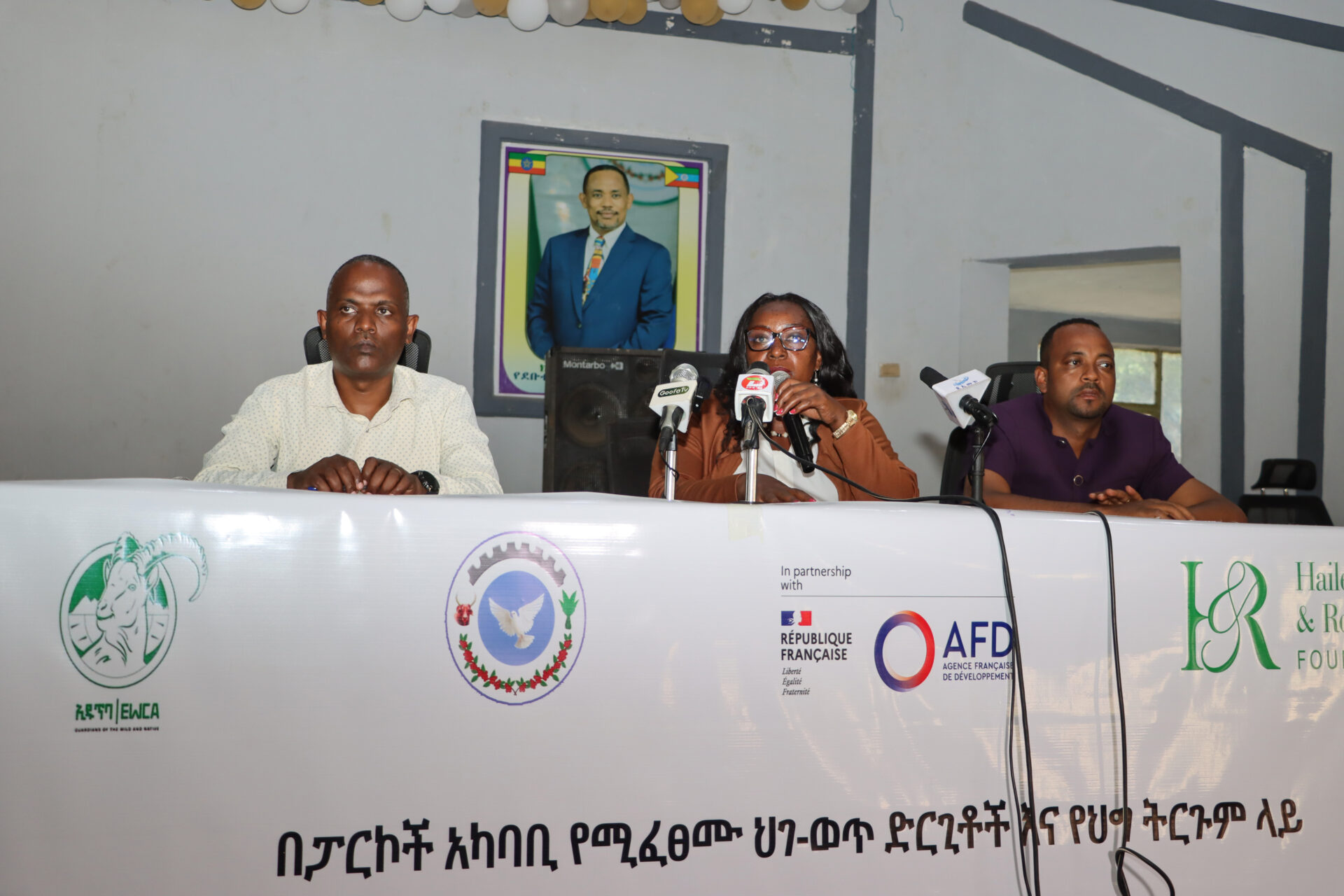

In her keynote, Mrs. Woynitu Melku, Head of the South Ethiopia Regional Tourism Bureau, emphasized the critical importance of safeguarding the park’s unique biodiversity and ecological health. She highlighted the park’s significance at both national and global levels. She expressed her sincere gratitude to HRF and the Agence Française de Développement (AFD) for their steadfast dedication to biodiversity conservation and for bringing together a wide range of decision-makers to advance a shared conservation agenda.
A key highlight of the training was the presentation of a comprehensive project performance report by HRF’s Senior Program Officer for Climate Smart Conservation and Ecotourism Program, Befikadu Esayas (PhD), and Maze National Park Chief Warden Mr. Mesfin Chiman, which detailed the park’s main challenges. The report revealed that recurring wildfires, agricultural encroachment into the Buffer Zone, unregulated livestock grazing, illegal resource extraction through wood and grass cutting, and hunting are accelerating habitat loss. These issues are exerting significant pressure on the park’s flagship species, the endemic Swayne’s Hartebeest. Additionally, the report highlighted rising risks to the Maze River watershed, a vital resource for both residents and wildlife in the park. Additionally, two other presentations on the legal frameworks of protected areas were given by EWCA experts.

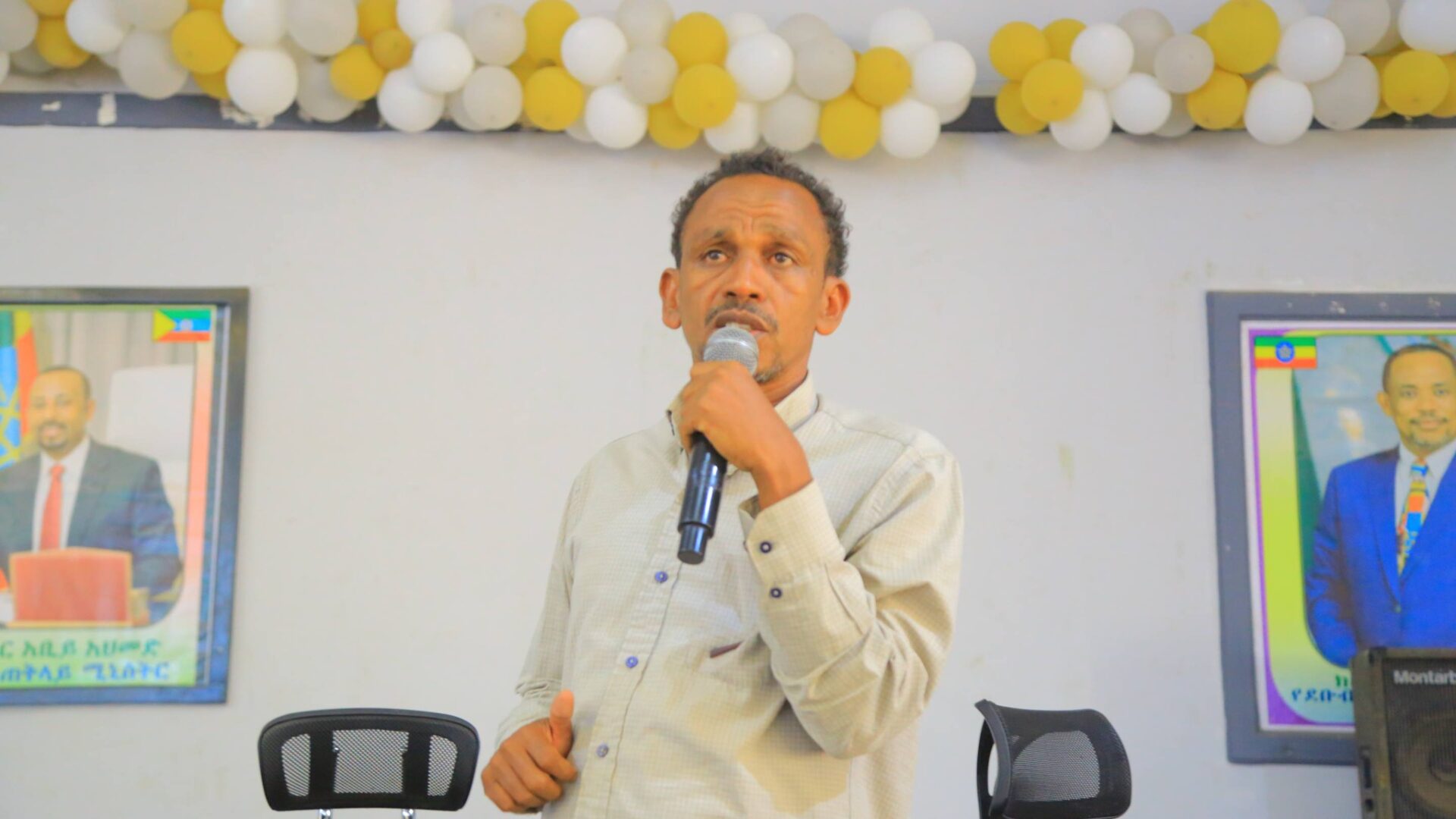
The presentation prompted a lively and productive discussion in which participants candidly explored gaps between current legal frameworks and practical enforcement. Stakeholders exchanged insights on cross-border coordination issues, accountability mechanisms, effective law enforcement, support for alternative community livelihoods, the development of a legal framework for buffer-area delineation and reconciliation with investment projects, and the critical need for aligned efforts among government agencies and local entities.
The training was part of the Preservation of the Maze National Park and Its Watershed in Ethiopia Project, carried out by the HRF in partnership with relevant stakeholders. Its goal is to ensure the long-term integrity of Maze National Park for the benefit of nature and communities.
The initiative aims to foster a strong sense of ownership of project execution and activities among all stakeholders, including park management, authorities at various levels, and surrounding communities. The event concluded with explicit guidance and enhanced coordination among stakeholders. Participants from different administrative tiers are committed to taking responsibility and implementing the agreed-upon solutions, adopting a shared “win–win” approach that treats the protection of Maze National Park as both a conservation goal and a collective duty. This commitment aims to ensure biodiversity conservation and deliver tangible benefits to the community.


