
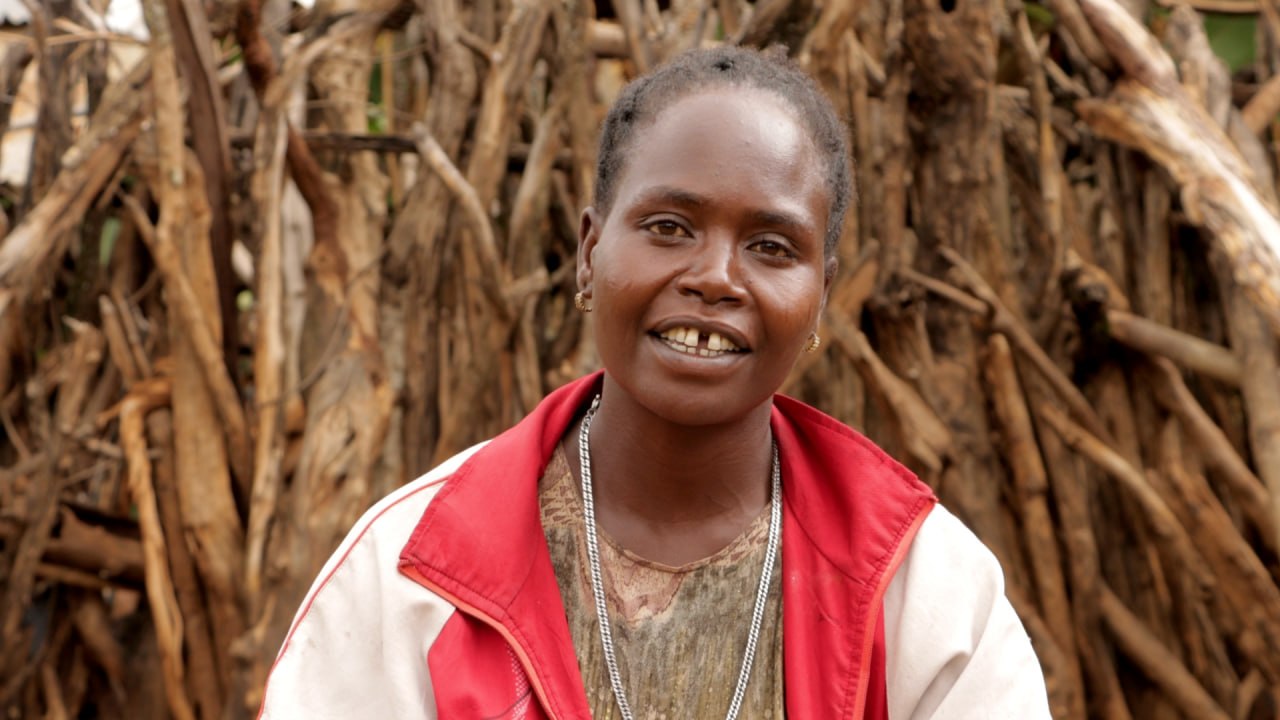
Through the Youth Self Employment in South Ethiopia Region project, Soti Gaya is building a business, contributing to her family’s income and inspiring other women in her community to pursue economic opportunities.
Soti Gaya, a 32-year-old young woman and resident of Key Afer Town in Bena Tsemay Woreda, South Omo Zone, has found a new opportunity to shape her economic future. A mother of three, she is a member of Worinta Small Ruminant Fattening Enterprise, a group of ten entrepreneurs comprising nine women and one man. Together, they are turning their familiarity with small ruminant fattening into a growing business, learning to save, make informed decisions and connect with markets.
For Soti, this journey represents a significant change. Before joining the Youth Self Employment in South Ethiopia Region (YES) project, implemented by Hailemariam & Roman Foundation (HRF) in partnership with Mastercard Foundation, she had an interest in engaging in income generating activities but lacked the knowledge, skills and opportunity to pursue one. Today, she is part of an enterprise that is developing its business, building savings and creating new possibilities for her family.
Turning familiar skills into a business opportunity
Growing up in a pastoral community, Soti was already familiar with raising small ruminants. However, traditional small ruminant fattening and raising animals for commercial fattening require different approaches. Through a series of trainings provided by the YES project, she and her fellow enterprise members gained practical knowledge of business management, saving, teamwork and improved small ruminant fattening practices.
One important lesson was how to improve animal housing and feeding. Previously, the goats were taken to areas where grass and bushes were available during the day and brought home in the evening. Through the training, the members learned to keep animals in shelters, provide appropriate feed and monitor their health more closely. They also learned when to seek veterinary services and how to organize their work to ensure the animals receive consistent care.
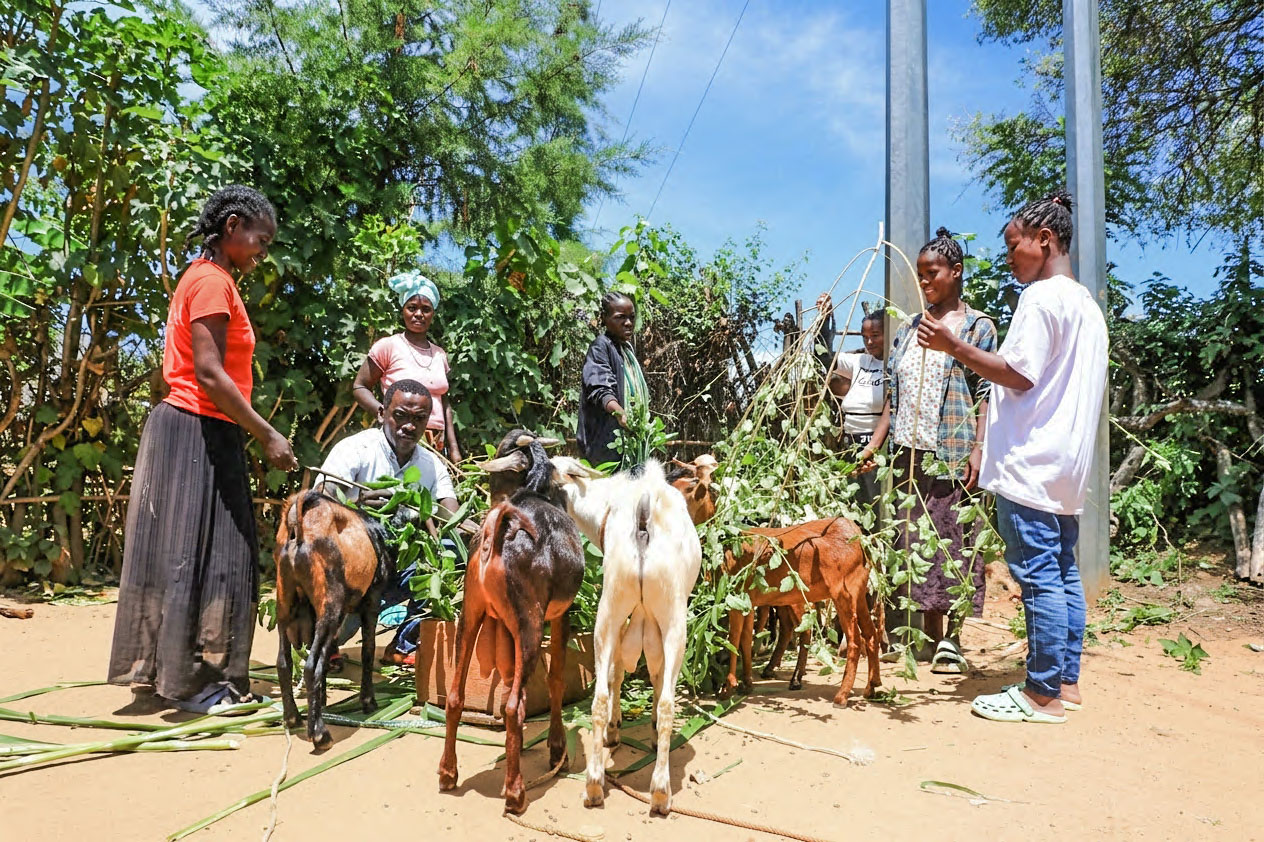
“The training helped us understand saving, business skills, teamwork and how to take better care of our goats,” Soti explains. “We learned new ways of fattening small ruminants and how to manage them as a business.”
These skills gave the group a foundation on which to build an enterprise. They also helped the members recognize that small ruminant fattening, an important part of their community’s way of life, could become a more structured source of income when managed with business knowledge and planning.
Starting small and learning through experience
Following the training, the ten members established Worinta Small Ruminant Fattening Enterprise. Each member contributed ETB 2,500 as an initial saving, raising their startup capital through personal contributions. Some sold belongings to raise the money, while others used their modest earnings.
With their pooled savings, the group purchased four goats for ETB 18,000. After fattening them for three months, they sold the animals for a total of ETB 52,000. The experience gave the members an opportunity to put their training into practice and demonstrated the potential of working together, investing their own resources and making business decisions collectively.
For their second round of business, the enterprise purchased five goats for ETB 32,000. At the time of the interview, the members were fattening the animals in preparation for sale at the end of November.
The group is also learning to make decisions based on market conditions rather than selling without preparation. Before taking their animals to market, members assess prices at Key Afer Market and Kako Kebele Market, located approximately 15 kilometers apart in a straight line. They compare the potential returns and costs to identify the more advantageous market.
This approach has helped the enterprise develop a more deliberate way of doing business, combining small ruminant management with market assessment and financial planning.
Connecting with buyers and expanding market opportunities
An important step in the enterprise’s development came when the YES project facilitated a market linkage forum in Jinka Town during the summer of 2026. Worinta Small Ruminant Fattening Enterprise participated in the forum, where they exhibited and sold their goats and interacted with potential buyers.
The experience offered more than an opportunity to sell their products. The members learned how to identify target customers, communicate with buyers, develop business networks and use business cards to promote their enterprise.
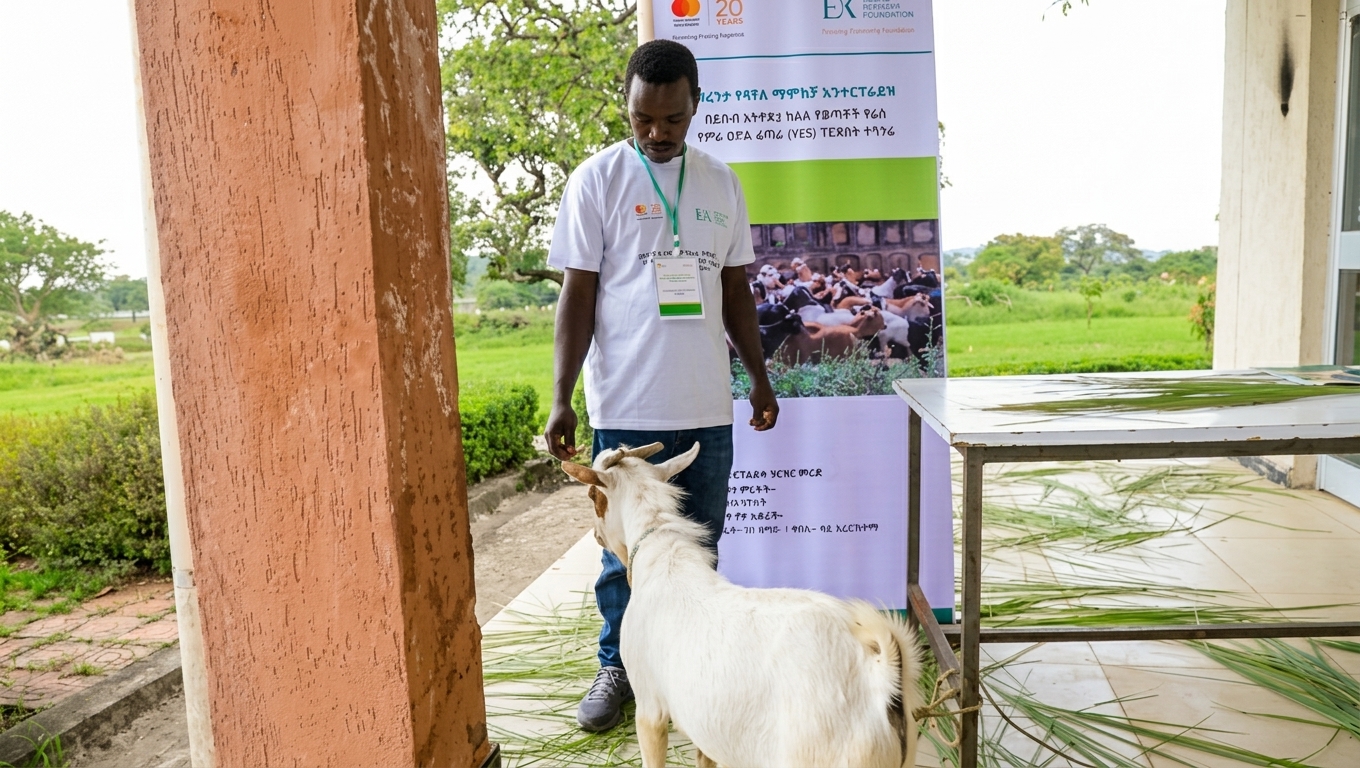

Soti recalls that the enterprise earned a net profit of ETB 5,500 from a single goat sold during the exhibition. Following the forum, potential buyers began contacting the group, creating opportunities to strengthen its market connections.
Putting their new knowledge into practice, the members also distributed their business cards to local hotels, restaurants and slaughterhouses. These efforts reflect a shift in how the enterprise approaches its customers, from waiting for buyers to actively promoting its products and building relationships with potential markets.
For Soti and her fellow entrepreneurs, these connections are an important part of building a business that can continue to grow beyond the immediate support of the project.
Growing the business through savings and collective responsibility
Alongside its commercial activities, Worinta Small Ruminant Fattening Enterprise has continued to strengthen its savings and management practices. At the time of the interview, the group reported having ETB 50,000 deposited in its savings account.
The enterprise also received in-kind support from the YES project in the form of 11 goats. According to Soti, some of the animals reproduced, with two goats giving birth to two kids each, adding four kids to the herd. The members are caring for the animals and preparing them for future market opportunities.
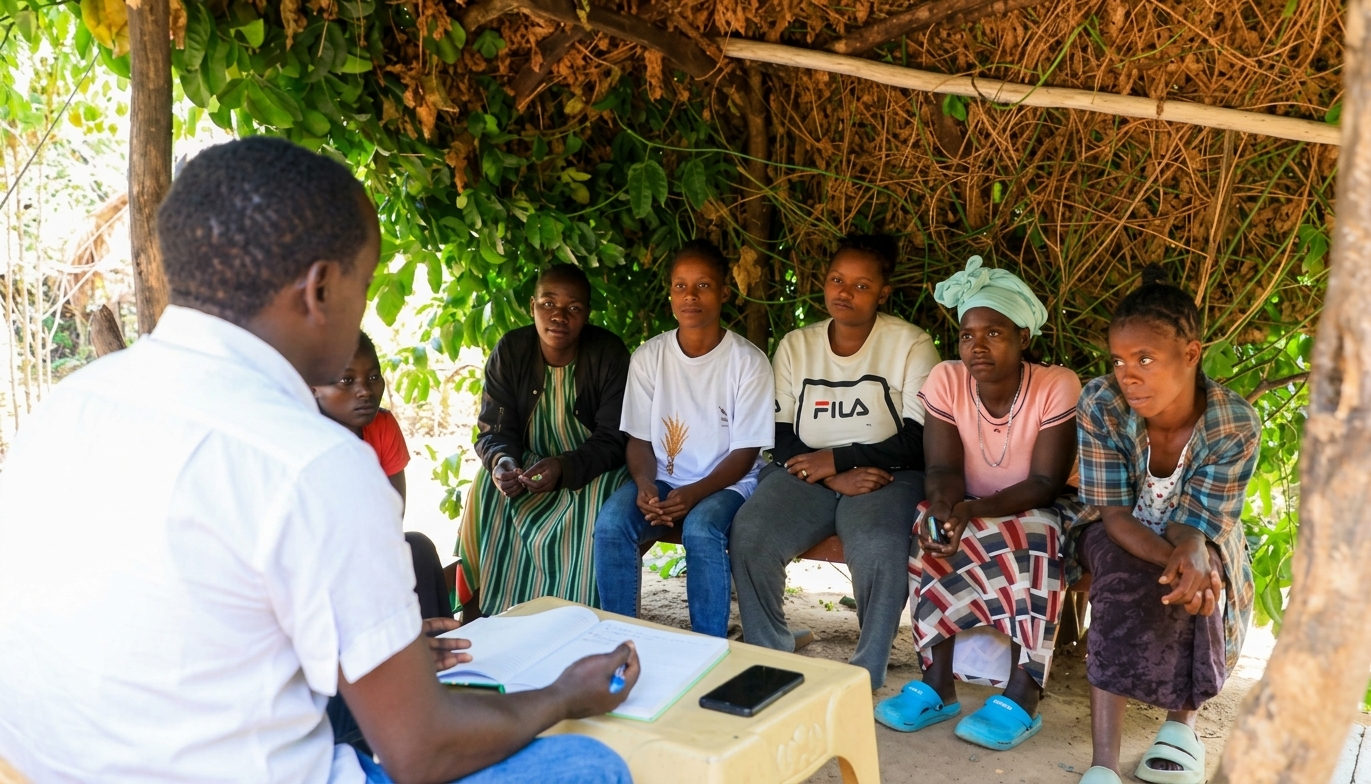
The group has established regular meetings every two weeks to review its progress, assess challenges and plan its next steps. Members share responsibilities for feeding the animals, monitoring their health, arranging veterinary care and assessing markets when the goats are ready for sale.
When an animal appears unwell, the members act promptly and seek veterinary assistance, applying the knowledge they acquired through the project’s training.
These practices demonstrate how the enterprise is combining financial discipline, shared responsibility and improved small ruminant care to strengthen its business operations.
A woman’s growing role in her family’s economic life
For Soti, the significance of the enterprise extends beyond the income it generates. It has given her an opportunity to contribute more directly to her household’s finances and to demonstrate what women can achieve when they have access to skills, opportunities and support.
As a mother of three, she has two children attending school, while her youngest is still a toddler. Her participation in the enterprise has created an additional way to contribute financially to her family alongside her household responsibilities.
She also receives support from her husband, who encourages her involvement in the business. When group activities require physical work, such as constructing wooden fencing for the small ruminant shelter, he sometimes participates on her behalf.
Soti takes pride in being part of an enterprise in which women make up nine of the ten members. Their collective experience challenges the assumption that women in pastoral communities should remain confined to household responsibilities.
“I am very happy to be part of an income generating activity as a woman,” she says. “We are nine women and one man in our enterprise. We are hardworking, and we want to show our community that women can do many things when they are given the opportunity.”
Her experience reflects a wider possibility for women in the community: participating in economic activities, making business decisions and contributing to their families’ wellbeing while continuing to fulfil their other responsibilities.
Looking ahead with ambition and determination
Despite the progress made, Soti acknowledges that the enterprise still faces challenges. The existing goat shelter is becoming too small for the group’s needs, limiting its ability to expand its operations to the level its members envision. The enterprise has applied to the local government for a suitable plot of land where it can construct a larger shelter and is awaiting a response.
For Soti and her fellow members, access to adequate space would provide an opportunity to improve their small ruminant management and strengthen the enterprise’s capacity to grow.
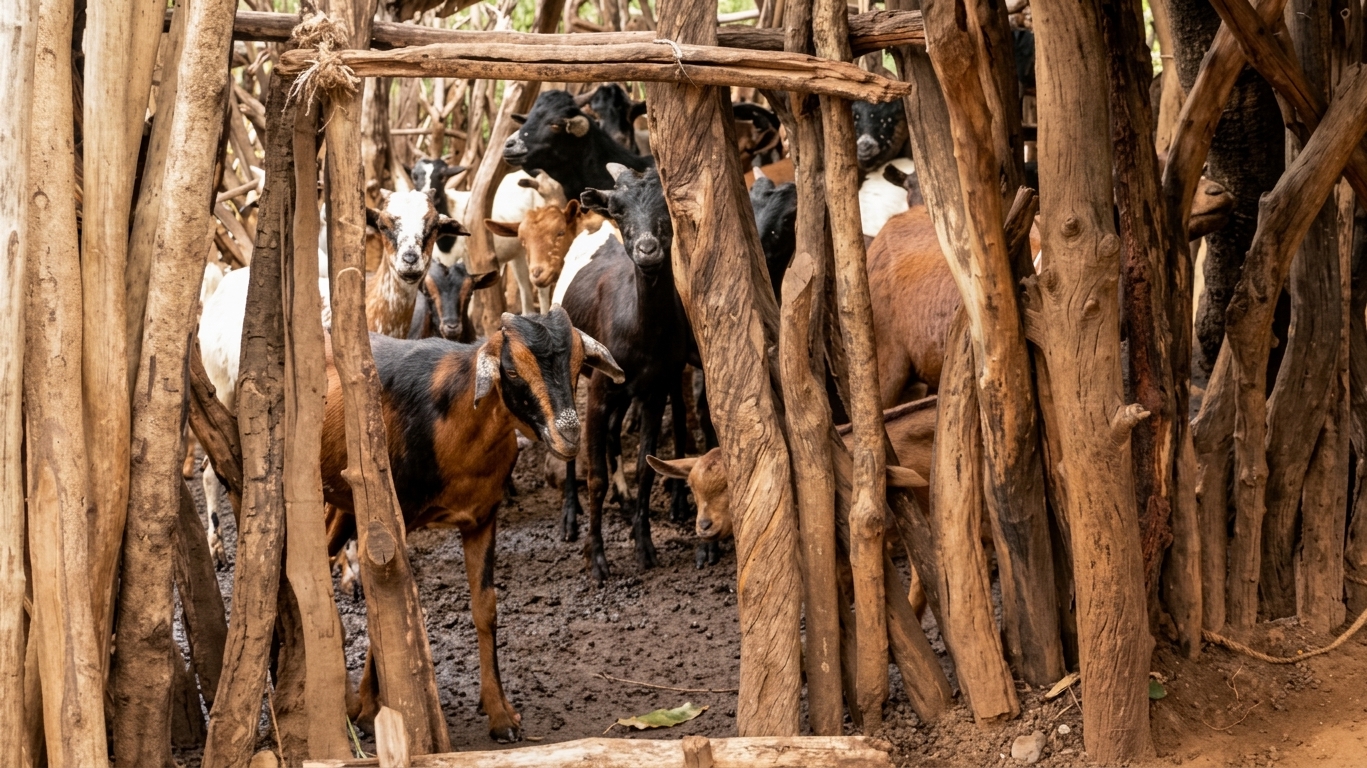
The group has been operating for approximately two years, and Soti values the continued follow up and support it has received from the YES project. With practical skills, accumulated savings, growing market connections and experience in managing their enterprise, the members are working towards a more secure and sustainable future.
Looking back at where she started, Soti hopes that her experience will encourage other women in Bena Tsemay to explore opportunities beyond their existing economic activities.
“My message to women in my community is that, alongside our household responsibilities, we can participate in income generating activities and improve the lives of ourselves and our families,” she says. “I hope that our enterprise and its members can become a model for other women in the pastoral communities of Bena Tsemay.”


